The BBS Era: The Internet Before the Internet
Before the web, getting online meant dialling a phone number that rang a single computer in a stranger spare bedroom. The strange, intimate, hobbyist world of bulletin board systems, and how it quietly invented online community.
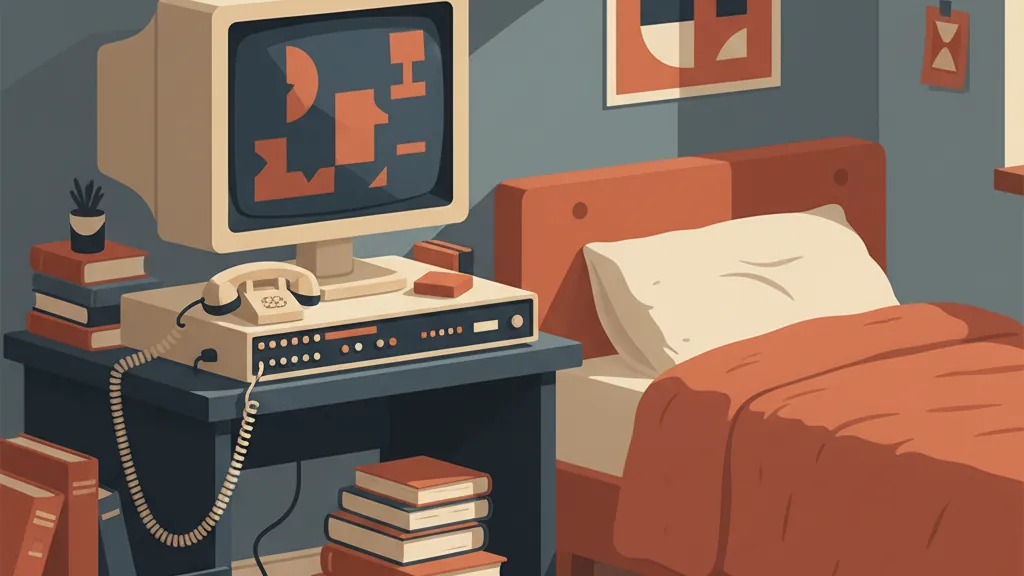
Long before you typed a web address into a browser, getting online meant something far stranger and more intimate. You picked up the telephone, or rather you let your computer pick it up, and dialled a phone number that rang a single computer sitting in a stranger's spare bedroom. If the line was busy, you waited and tried again. When it finally answered, with the unmistakable shriek of two modems greeting each other, you were connected to a bulletin board system, and to a corner of the world built entirely by hobbyists.
Born in a blizzard
The first one flickered to life in 1978. Two enthusiasts in Chicago, Ward Christensen and Randy Suess, were snowed in by a fierce blizzard and used the time to build what they called a Computerized Bulletin Board System, a machine you could dial into to read and leave messages, like a cork noticeboard made of phone lines. It was a modest hack between friends. It turned out to be the seed of online community as we know it.
One phone line, one visitor at a time
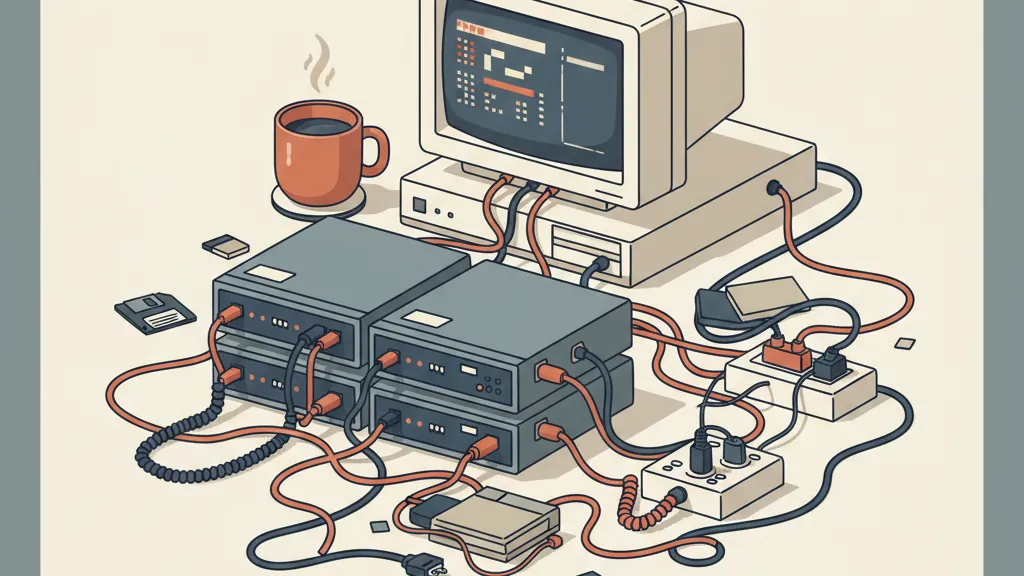
A bulletin board ran on a single home computer with a modem plugged into a phone line, tended by a volunteer known as the sysop, short for system operator. The constraints were severe and oddly charming. Most boards had just one line, which meant only one person could be connected at any moment. If someone else was on, you got a busy signal and waited your turn. Calling a board in another town meant long-distance charges ticking up by the minute, so people tended to dial local boards and grew to know their neighbours through them.
A whole culture in text
What people did once connected was remarkably close to the modern web in miniature. They argued on message boards. They swapped files and shareware from the board's libraries. They played door games, turn-based adventures and trading simulators that an entire generation of programmers cut their teeth on. The screens were pure text, often decorated with elaborate art made from coloured characters, and the whole thing felt handmade because it was.
One detail deserves a special mention, because it echoes loudly through later hosting history. Many boards ran on a ratio: download a file and you were expected to upload one in return, or contribute to the discussion, to keep your access. You earned your place by giving something back. That exact instinct, participation as the price of admission, would reappear decades later in the Post2Host free hosting model, where people paid for their websites in forum posts.
The boards that talked to each other
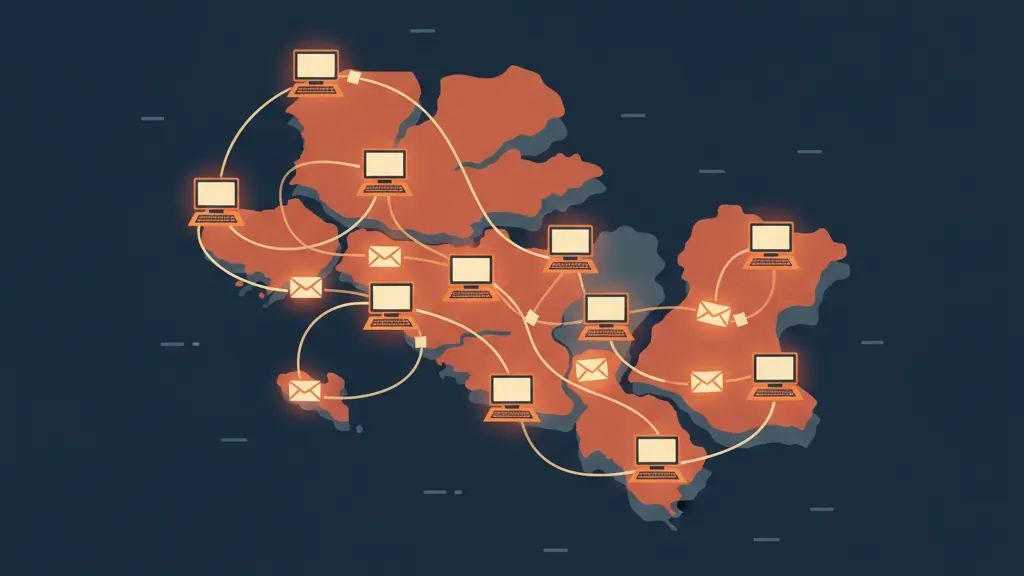
For a while the boards were islands, each its own little world. Then, in 1984, a programmer named Tom Jennings built FidoNet, a way for bulletin boards to pass messages to one another. In the small hours, when phone rates were cheapest, boards would dial each other up and relay batches of mail and discussion across a volunteer-run network that eventually spanned the globe. It was email and group discussion built out of nightly long-distance phone calls and goodwill, years before most people had heard of the internet.
Swept away by the web
The bulletin board world did not so much die as get swallowed. As the World Wide Web arrived in the early 1990s and commercial services flung open the doors to the masses, the quiet, local, one-line-at-a-time charm of the BBS could not compete with a medium where everyone could be connected at once. By the late 1990s most boards had gone dark, their sysops moving on to running websites instead.
But almost everything that followed carries their fingerprints. The forum, the file download, the online community, the very idea of dialing into someone else's computer to share a space, all of it was rehearsed on bulletin boards first. When you browse the modern hosting directory or post in a community forum, you are standing on a foundation poured by hobbyists in spare bedrooms, and the long story of how hosting grew up really begins with a blizzard in Chicago. The cheapest shared hosting plan today gives one person more power than a whole town of callers once shared down a single phone line.


0 Comments
No comments yet
Be the first to share your thoughts on this article.