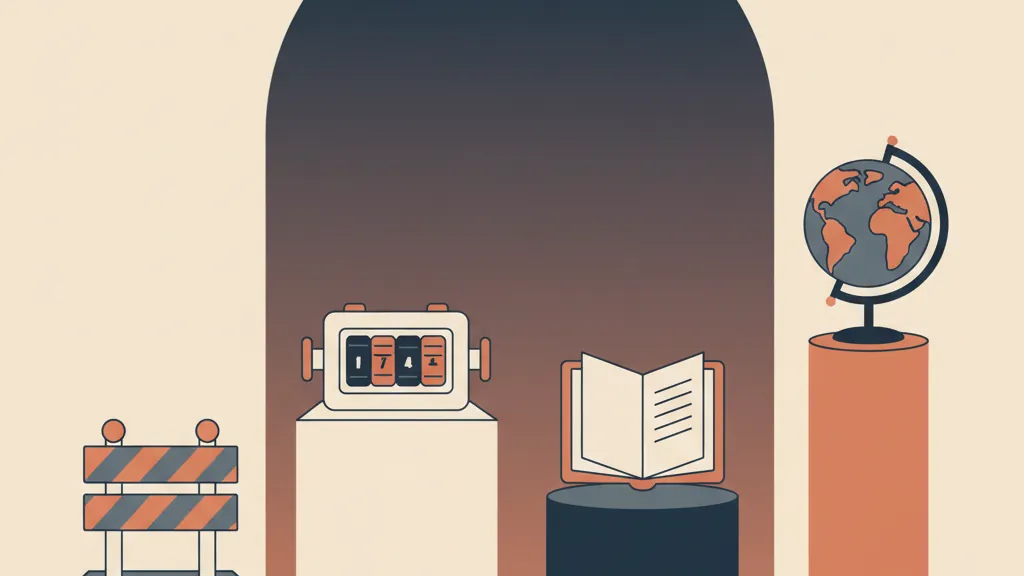
The Lost Furniture of the 90s Web
Tiled backgrounds, the blink tag, a cartoon workman digging next to coming soon, and a counter announcing you were visitor 206. Almost all of it is gone. A fond tour of the clutter of the amateur web.
The web of the 1990s had a look, and if you were there you can still picture it: tiled background images, neon text on black, a little cartoon workman digging next to the words coming soon, and a counter at the bottom proudly announcing that you were visitor number two hundred and six. Almost all of it is gone now, swept away by good taste, mobile screens and the relentless tidying of the modern web. It is worth remembering, because that clutter was the furniture of an internet that ordinary people built with their own hands.
The most hated tag ever made
Pride of place goes to the blink tag, a piece of code that did exactly one thing: it made text flash on and off, relentlessly, forever. According to legend it was dreamed up in an evening at a bar by an engineer at Netscape and added to the browser almost as a joke. It became perhaps the most reviled feature in the history of the web, an instant headache that designers begged people not to use and which people used anyway. Its rival, a tag that scrolled text across the screen like a stock ticker, was scarcely more loved.
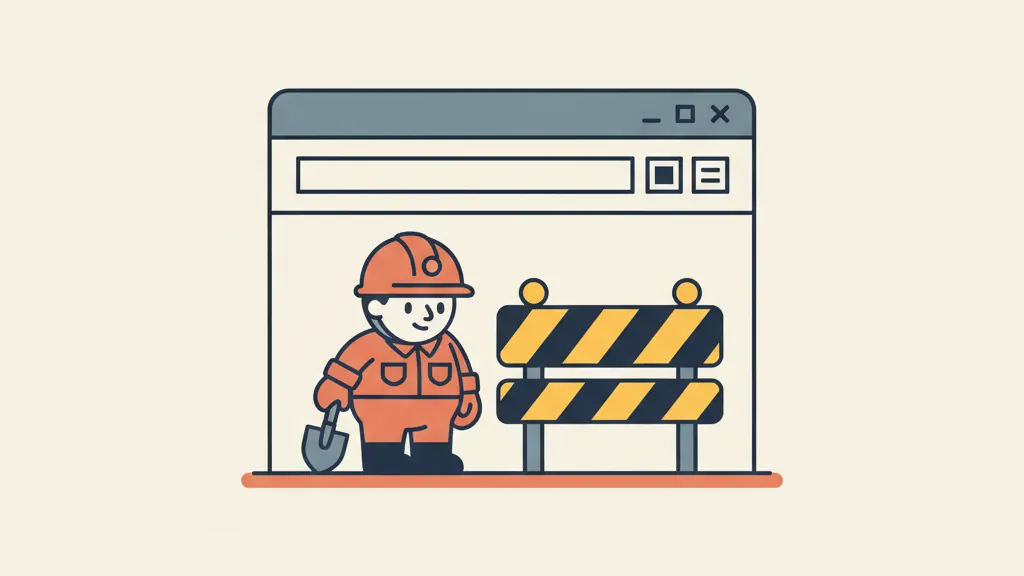
Under construction, forever
Then there was the eternal promise of the animated under-construction sign, the tiny shovelling workman or the yellow-and-black barrier that sat on half-finished pages. In practice the construction never ended, because a personal site was never really finished. The sign was less a status update than a state of mind. Pages were always becoming, never done.
Sign my guestbook
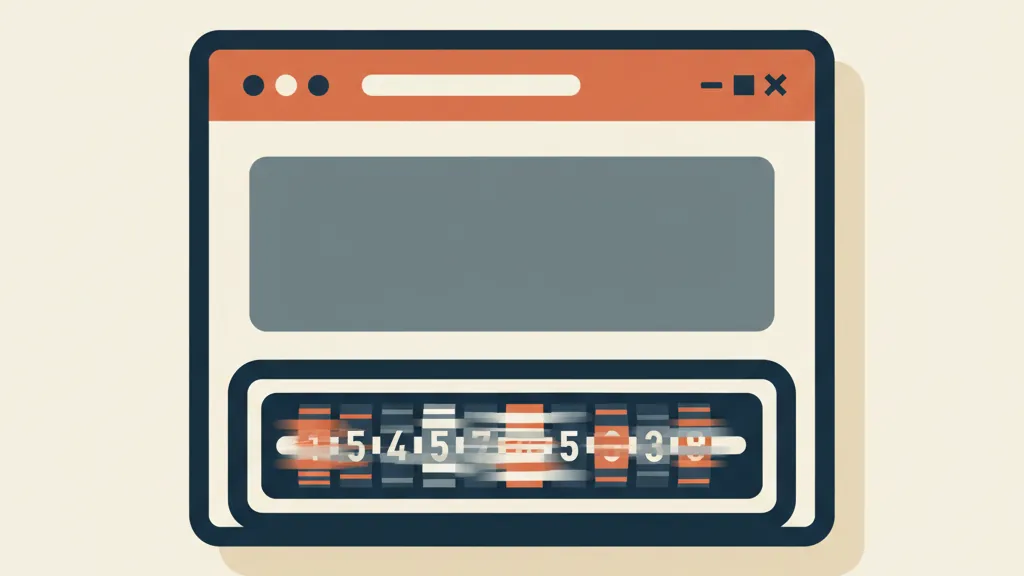
The social web existed too, in a homemade form. A hit counter, styled like a car odometer, sat at the foot of the page so visitors could watch the numbers tick up and the owner could feel briefly famous. A guestbook invited you to leave a message, the ancestor of every comment section. And webrings stitched independent sites of a shared theme into loose circles, with little next and previous links that let you wander from one enthusiast's page to the next without a search engine in sight. It was discovery built by hand, neighbour to neighbour.
Why we lost it, and what we lost
This furniture vanished for understandable reasons. Web standards matured, mobile phones punished anything heavy or fiddly, performance started to matter, and social media swallowed the guestbooks and webrings by centralising the social layer into a handful of feeds. The web got faster, cleaner and far more capable. It also got a little more corporate and a little less weird.
What that clutter represented was an amateur web, made by individuals on free hosting and in the communities behind Post2Host boards, where the goal was not conversion rates but simple delight in having a place of your own. It was the same homemade spirit that ran through the bulletin board era, and it is the part of the early internet people feel most nostalgic for. The tools to build a corner of your own have never been cheaper or easier, as our hosting directory shows, so perhaps the only thing missing is the willingness to make something a little ugly and entirely yours. The full sweep of how we got here lives in our history of web hosting.


0 Comments
No comments yet
Be the first to share your thoughts on this article.