
The Fibre Glut: How a Bankruptcy Built the Modern Internet
In the late 1990s a few companies bet that demand for bandwidth was infinite, borrowed tens of billions, and wrapped the planet in cable. Most went bankrupt. They also accidentally built the internet you use today.
In the late 1990s, a handful of companies made one of the largest infrastructure bets in history. Convinced that the world's hunger for bandwidth was effectively infinite, they borrowed tens of billions of dollars and raced to wrap the planet in fibre-optic cable. They were spectacularly wrong about the timing, and most of them went bankrupt. They were also, by accident, building the foundation of the internet you use today.
The race to wire the world
Names like Global Crossing, WorldCom, Qwest and Level 3 led a furious building spree, stringing fibre across continents and under oceans. The logic seemed sound. The web was exploding, traffic was doubling at a dizzying pace, and whoever owned the pipes would own the future. So they dug, and they laid cable, and they laid far more of it than anyone could possibly use. Improvements in the lasers and optics that push light down each strand made things worse for them, because every cable could suddenly carry far more data, multiplying an already enormous oversupply.
The cable nobody was using
By 2001 the scale of the miscalculation was clear. By some estimates only around five percent of the fibre that had been laid was actually carrying traffic. The rest sat in the ground and on the seabed, unlit and earning nothing, an asset class that came to be known by a wonderfully bleak term: dark fibre. The companies had built a global motorway network and then discovered that almost nobody was driving on it yet.
The crash
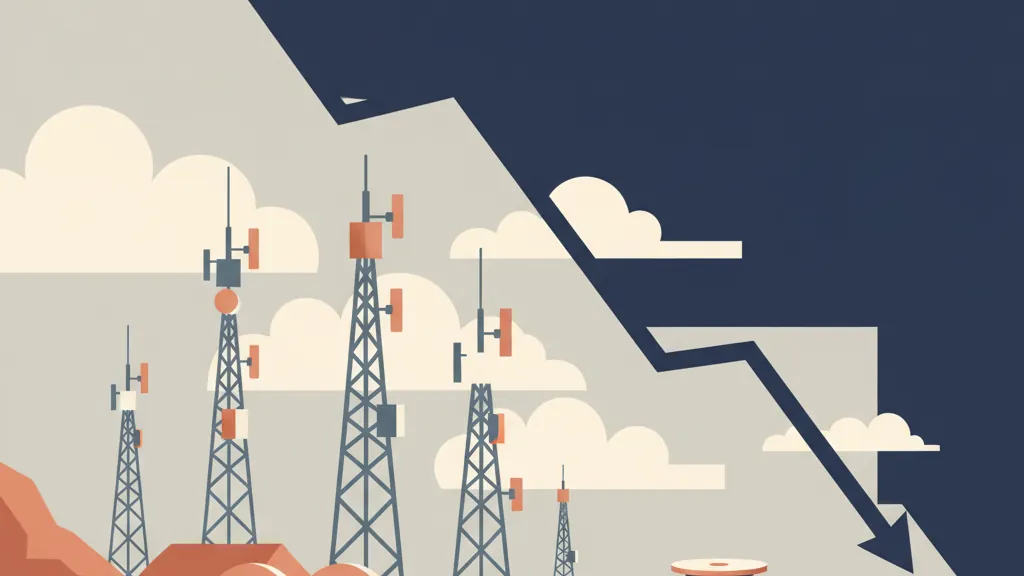
What followed was one of the great financial unwindings. Between 2000 and 2002 the telecoms sector lost more than two trillion dollars in market value. WorldCom collapsed into what was then the largest bankruptcy in American history, brought down partly by outright accounting fraud. Global Crossing failed too, leaving billions in debt and a vast web of unused cable behind it. Bandwidth prices, with so much idle supply, fell off a cliff, dropping by something like ninety percent.
The losers paid for the winners
Here is the twist that makes the story worth telling. The cable did not disappear when the companies did. It was sold off cheaply out of bankruptcy, and all that idle capacity, bought for pennies on the dollar, became the abundant, almost free bandwidth that powered the next era. Video streaming, the rise of the cloud, the global content delivery networks that put a copy of every site near you, all of it ran on infrastructure that bankrupted the people who built it. The investors of the 1990s funded a future they never got to enjoy.
You feel the legacy every day without knowing it. The reason bandwidth is cheap, the reason a video loads instantly, the reason a small site can serve the whole world, traces back to that overbuild and the backbone networks and submarine cables it left behind. It is worth keeping in mind as a new generation pours fortunes into building for the next supposed infinite demand. The pattern, laid out across our data centre and infrastructure pages, has happened before. The whole arc fits inside the longer story of how hosting came to be.


0 Comments
No comments yet
Be the first to share your thoughts on this article.