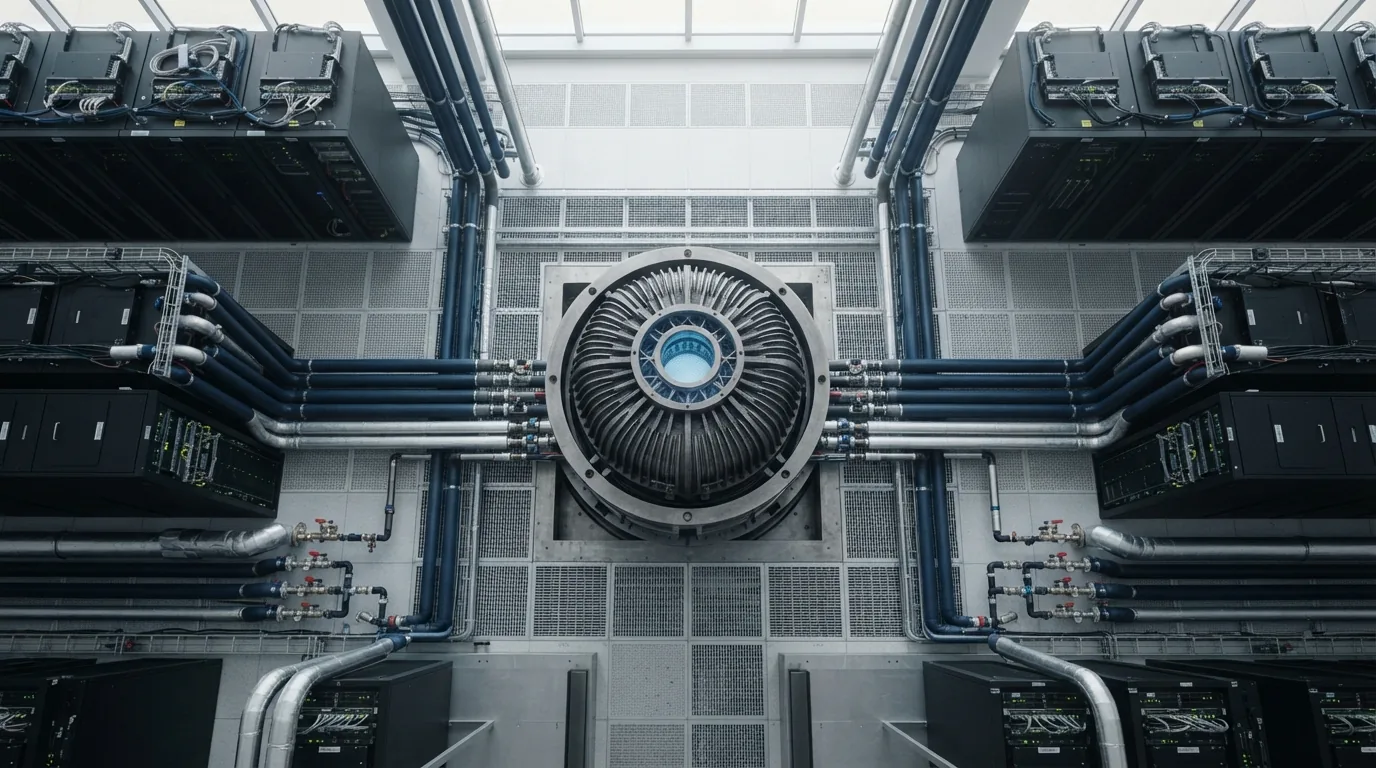
Startup Ampera Unveils 3D-Printed Thorium Reactor for Data Center Power
Ampera, a nuclear tech startup, has unveiled a 3D-printed thorium reactor module designed for data centers. The subcritical, solid-state unit promises 15-30 MW for 30 years without refueling, with power generation available by 2027 and the nuclear module by 2030.
Ampera, a nuclear technology startup, unveiled a 3D-printed thorium reactor module on July 3, 2026, targeting data centers that need reliable, zero-carbon power for AI workloads. The company claims its design is the world's first subcritical, solid-state, factory-built thorium nuclear reactor.
Future versions of the reactor could deliver 15 or 30 megawatts of electricity for up to 30 years without refueling, according to the company. The core uses a silicon-carbide pressure vessel and a solid-state fuel form that cannot sustain a chain reaction without an external neutron source, a safety feature known as subcriticality.
Ampera's 3D-Printed Design and Rollout Timeline
The reactor is manufactured using additive manufacturing techniques, which Ampera says will enable mass production of standardized units. The design uses thorium, a more abundant and less radioactive alternative to uranium, and is intended to be installed in a modular, factory-built form factor. Ampera founder and CEO Brian Matthews said the company expects the power generation portion of the system to be available as early as 2027, with the nuclear module itself becoming available to customers around 2030, subject to regulatory approval.
- 3D-printed silicon-carbide core and pressure vessel
- Subcritical, solid-state thorium fuel design
- 15 or 30 MW output for up to 30 years without refueling
- Power generation portion available by 2027; nuclear module by 2030
- Target market: hyperscale data centers and AI infrastructure
Implications for the Data Center Power Crunch
Data center operators are scrambling to secure clean, round-the-clock power as AI model training and inference drive electricity demand higher. Nuclear has re-emerged as a serious option, with Microsoft, Google, and Amazon signing power purchase agreements with existing plants and new reactor developers. Ampera's timeline is ambitious, but the company believes its 3D-printed, factory-built approach can reduce construction costs and regulatory risk compared to traditional large-scale reactors. The next steps include pilot demonstrations, regulatory engagement with the U.S. Nuclear Regulatory Commission, and securing site permits for initial deployments. If successful, Ampera could offer a new on-site power source for data centers that bypasses the grid interconnection delays plaguing other clean energy projects.
Fact check
-
Ampera unveiled the world's first 3D-printed subcritical, solid-state, factory-built thorium nuclear reactor.
verified · source
-
Future versions of the reactor could deliver 15 or 30 megawatts for up to 30 years without refueling.
verified · source
-
The power generation portion will be available by 2027, and the nuclear module by 2030 subject to regulatory approval.
reported · source

0 Comments
No comments yet
Be the first to share your thoughts on this article.