Qualcomm unveils Snapdragon Reality Elite chip, promises 60% GPU boost for XR glasses
Qualcomm announced the Snapdragon Reality Elite chip at AWE 2026, claiming a 60% GPU performance jump and 20% better battery life over the previous XR2+ Gen 2. The chip will debut in Xreal's Project Aura glasses and an unnamed Play for Dream device.
Qualcomm launched the Snapdragon Reality Elite chip at Augmented World Expo 2026 on June 16, positioning it as the flagship processor for the next generation of extended reality headsets and smart glasses. The chip is a direct successor to the Snapdragon XR2+ Gen 2 found inside the Samsung Galaxy XR.
Qualcomm claims the Reality Elite delivers a 60% improvement in Adreno GPU performance and a 30% uplift in Kyro CPU capabilities compared to the previous generation. The chip supports up to 4.4K resolution per eye at a maximum refresh rate of 90Hz, along with a 10% reduction in photon-to-photon latency for faster image rendering. It also includes hardware accelerated ray tracing.
First devices and design details
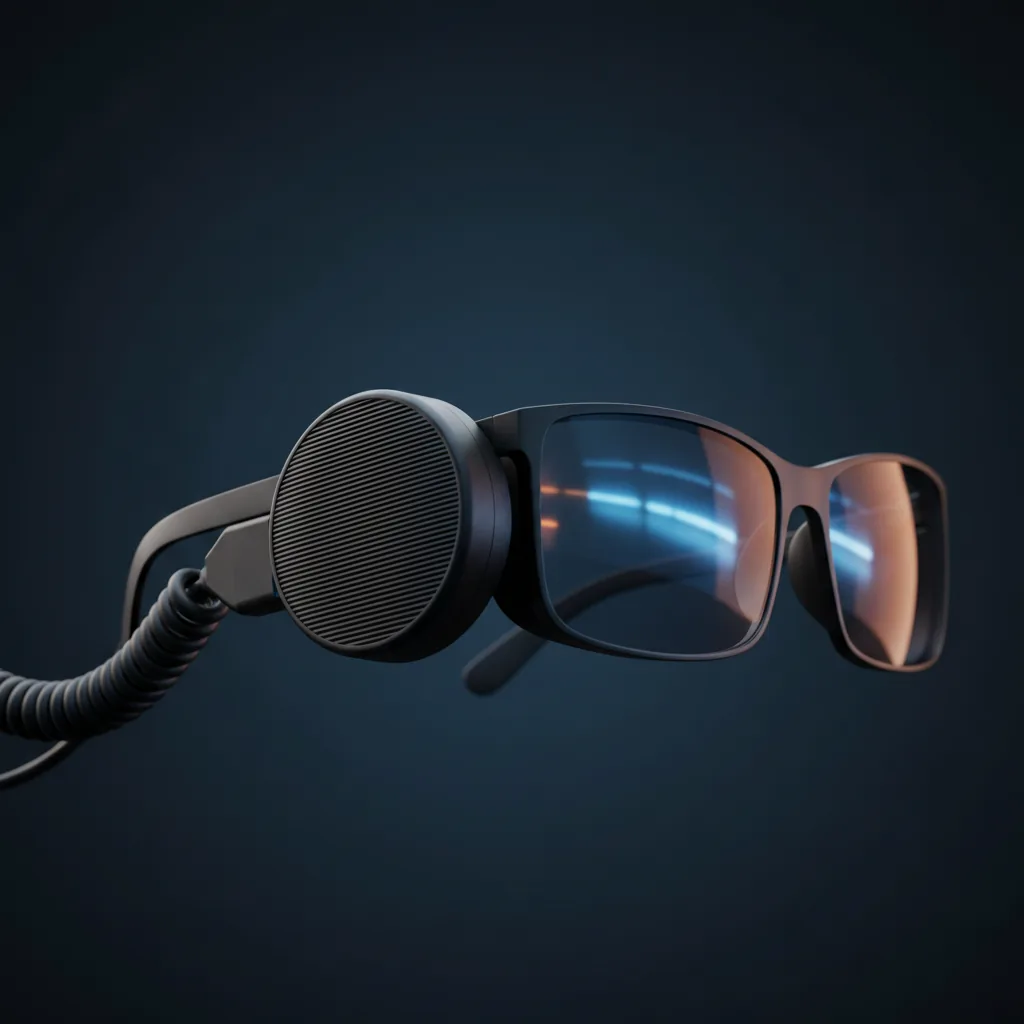
Xreal and Google will use the Snapdragon Reality Elite in their Project Aura AR glasses, which are already available for preorder. The chip lives inside a tethered compute puck that connects to the glasses via cable, a design choice that shifts processing weight away from the frames. VR headset maker Play for Dream is also developing an unnamed device powered by the new chip, though it has not disclosed specifications or a launch date.
Key technical specifications include:
- Up to 48 TOPS of on-device AI performance for running low-end models locally
- Support for 12 on device cameras for larger XR headsets, though smart glasses will use fewer sensors
- Integrated Wi-Fi 7 and Bluetooth 6 connectivity to offload AI tasks to the cloud when needed
- 20% improvement in battery life over the XR2+ Gen 2
Market positioning and what comes next
The Snapdragon Reality Elite arrives as the XR market remains fragmented between optical see through glasses and video see through headsets. Qualcomm designed the chip to work with both form factors, but the heaviest processing occurs on the compute puck rather than inside the frames. This tethering approach is similar to the company's Wear Elite platform for smartwatches, and it may limit the device to use cases where carrying a secondary puck is acceptable.
No direct sequel to the Samsung Galaxy XR is expected in the near term. Google and Xreal have not announced a final price for Project Aura. The chip will scale across different hardware sizes: a full headset will use more cameras and processing power, while a pair of glasses will rely on the external puck. Qualcomm has not disclosed volume shipment timelines, but Xreal's preorder window suggests production devices could appear before the end of 2026.
Fact check
-
Qualcomm announced the Snapdragon Reality Elite chip at Augmented World Expo 2026 on June 16.
verified · source
-
The chip delivers a 60% improvement in Adreno GPU performance and a 30% uplift in Kyro CPU performance compared to the XR2+ Gen 2.
reported · source
-
Xreal and Google will use the chip in Project Aura glasses, which are available for preorder.
verified · source
-
The chip supports up to 48 TOPS of on-device AI performance.
reported · source
Source reporting (4)
- Gizmodo · Qualcomm’s New Chip Pushes Us Deeper Into the AR Glasses Era
- 9to5Google · Qualcomm unveils Snapdragon Reality Elite for XR & START to simplify glass development
- Engadget · Qualcomm unveils its Snapdragon Reality Elite chip for next-gen AR headsets
- The Verge · Qualcomm’s latest chip hints that more powerful smart glasses could be on the way



0 Comments
No comments yet
Be the first to share your thoughts on this article.