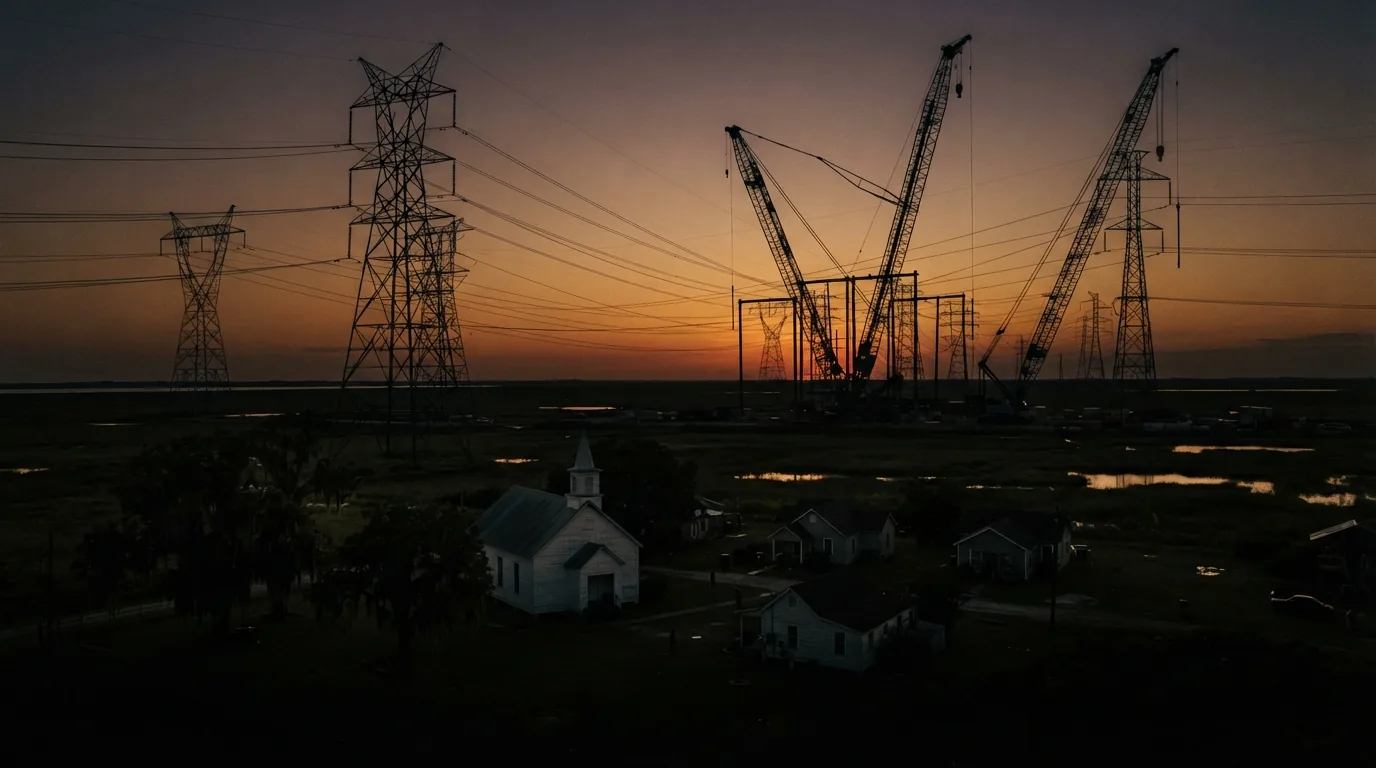
Meta's Hyperion AI Campus Expands to 5 GW, $50 Billion Investment Reshapes Louisiana Grid and Community
Meta's Hyperion AI campus in Louisiana grows to 5 GW and $50 billion, transforming from a large data center into a regional power anchor. The project has split the local community between windfall profits and displacement.
Meta announced Monday that its Hyperion AI campus in Richland Parish, Louisiana, will scale to 5 gigawatts of capacity with an investment exceeding $50 billion, making it one of the largest data center projects ever built. The expansion marks a dramatic escalation from the $27 billion joint venture with Blue Owl Capital announced in 2025.
The first phase of Hyperion remains on track to deliver approximately 2 GW by 2030, but the overall campus has nearly doubled in both cost and power capacity in under two years. In a parish of roughly 20,000 residents, the project has become a lightning rod for both economic opportunity and social disruption.
From Large Customer to Regional Grid Anchor
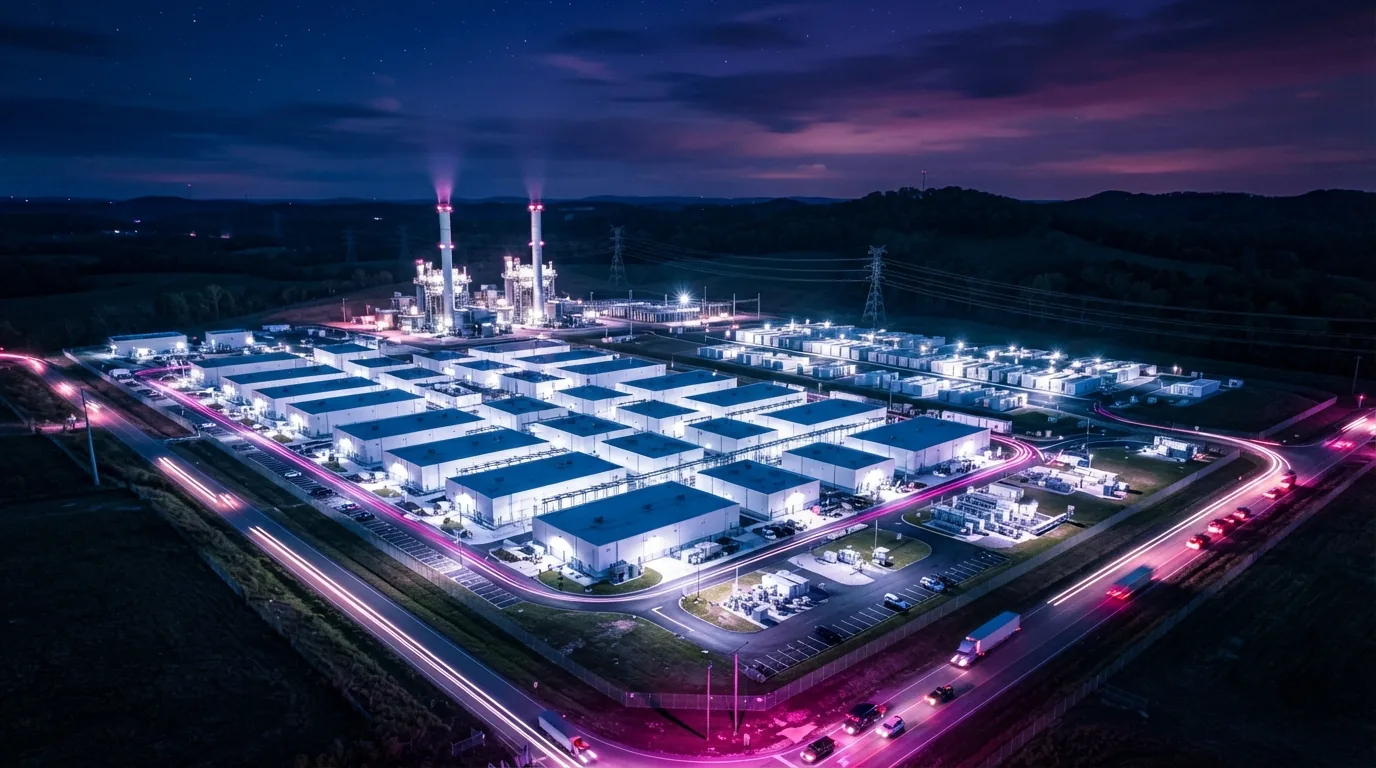
Analysts say the 5 GW threshold transforms Hyperion from a conventional hyperscale facility into infrastructure that shapes regional power systems. Neil Osnato, founder of Persistence Analytics Group, told Data Center Knowledge that at this scale the project becomes a regional infrastructure planning event.
- Generation planning and transmission expansion
- Interconnection studies and reserve margin calculations
- Fuel strategy, water planning, and substation development
- Equipment procurement cycles for utilities across the region
Stephen Sopko, analyst at HyperFrame Research, noted that securing gigawatts and transmission capacity is now as strategic as GPU access for hyperscalers competing in AI. The campus effectively functions as an anchor tenant for an entire regional power strategy.
Local Impact and Community Divide
The Next Web reported that Hyperion has split Richland Parish. Some landowners have sold property at premium prices, while others have been priced out of the local housing market as construction workers and Meta employees drive up demand. The project's rapid growth has outpaced local infrastructure and planning.
Meta has not disclosed specific job creation numbers for the final phase, but the first phase alone is expected to employ thousands during construction. The company faces pressure to manage both the grid integration and the social consequences of building a 5 GW facility in a rural community of 20,000.
What comes next: The first 2 GW phase is on schedule for 2030, but the full 5 GW buildout will require years of transmission upgrades and utility coordination. Local officials are weighing tax incentives and zoning changes as Meta pushes forward with what analysts call a new class of AI infrastructure that blurs the line between data center and utility asset.
0 Comments
No comments yet
Be the first to share your thoughts on this article.