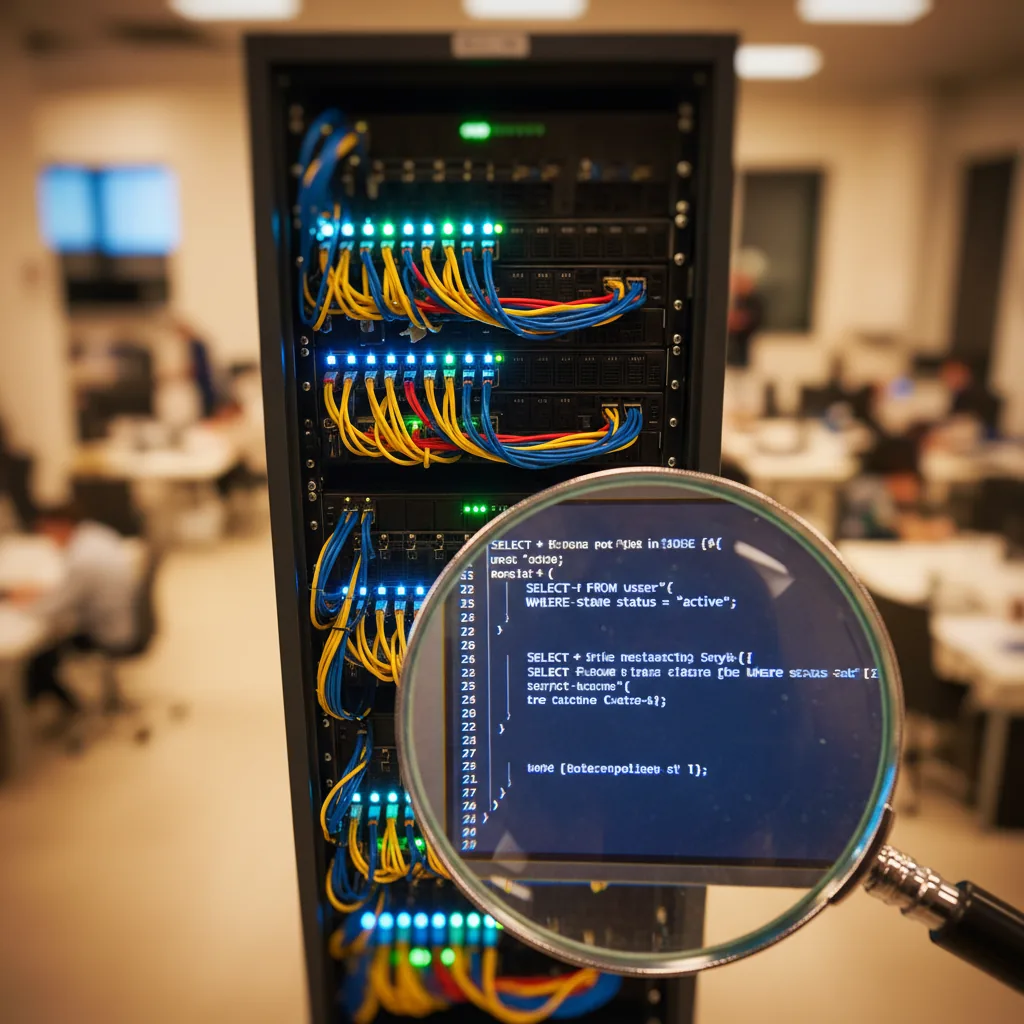
Google Cloud Introduces SQL-Based Alerting for Observability Analytics
Google Cloud has launched SQL alerting in Cloud Monitoring Observability Analytics, enabling users to write complex analytical queries over logs and traces and turn them into alerts. The feature is now in preview.
Google Cloud has introduced SQL alerting in Cloud Monitoring Observability Analytics, allowing users to write complex analytical queries over logs and traces and turn them into alerts. The feature, announced on June 27, 2026, is now in preview.
Traditional alerting systems often force a compromise between immediate alerts on simple log events and monitoring rigid, pre-configured metrics. SQL alerting addresses this by letting users calculate error percentages, analyze high-cardinality dimensions, or JOIN logs and traces directly in their alerting policies.
How SQL alerting works
An alerting policy runs a user-defined SQL query on a schedule, such as every 10 minutes. It automatically applies a lookback window to analyze only the log entries or trace spans received since the last run. If the query results meet the condition, Cloud Monitoring creates an incident and sends notifications to channels like email, Slack, or PagerDuty.
Users can choose between two alert conditions:
- Row count threshold: Fires if the query returns a number of rows greater than, equal to, or less than a set threshold. Ideal for scenarios like alerting when more than 10 users have failed logins.
- Boolean: Fires if the query returns any row where a specific column evaluates to true. This allows complex logic, such as calculating percentages, directly in the SQL query.
Query executions are billed through BigQuery under standard on-demand pricing or BigQuery reservations.
Implications for observability and cost
This move positions Google Cloud to compete more directly with observability platforms like Datadog and New Relic, which already offer advanced alerting capabilities. By integrating SQL directly into the alerting engine, Google Cloud reduces the need for external tools and custom scripting.
However, the reliance on BigQuery billing could lead to unexpected costs for high-volume telemetry data. Users should monitor query costs closely, especially when running frequent or complex queries.
Google Cloud has not announced a timeline for general availability. The preview period will likely gather feedback on pricing and performance before a wider rollout.
Fact check
-
Google Cloud announced SQL alerting in Cloud Monitoring Observability Analytics on June 27, 2026.
verified · source
-
SQL alerting allows users to write complex analytical queries over logs and traces and turn them into alerts.
verified · source
-
Query executions are billed through BigQuery under standard on-demand pricing or BigQuery reservations.
verified · source
-
Users can choose between row count threshold and Boolean alert conditions.
verified · source
Source reporting (6)
- Google Cloud Blog · From query to action: Introducing SQL alerting in Cloud Monitoring Observability Analytics
- Engadget · Samsung will start charging for SmartThings API access
- LWN.net · Lots of stories about systemd v261
- The Register · Oracle promises to open up MySQL governance, but the community wants guarantees
- TechSpot · HPE is quietly pivoting from servers to networking, and Cisco should be paying attention
- AWS What's New · Amazon EC2 R8g instances now available in additional regions



0 Comments
No comments yet
Be the first to share your thoughts on this article.