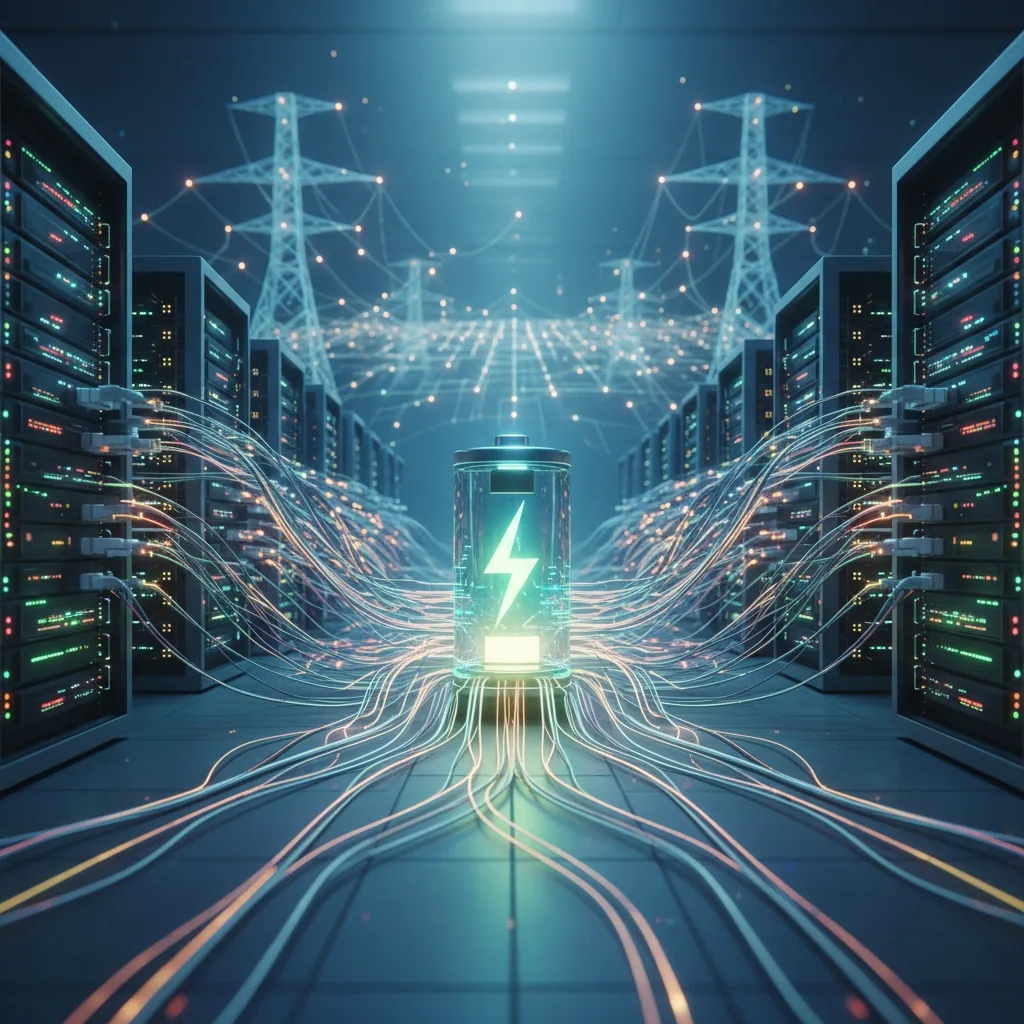
Battery Storage Emerges as Critical Bridge Between AI Data Centers and Grid Constraints
Battery energy storage systems are becoming essential for AI data centers, helping bridge grid constraints, support resilience, and accelerate speed-to-power. BESS is no longer a nice-to-have but core infrastructure.
Battery energy storage systems (BESS) are rapidly becoming essential infrastructure for AI data centers, helping operators bridge the gap between surging power demand and a grid that cannot keep up. According to a June 2026 opinion piece in Data Center Dynamics by Justin Siefkes of Shoals Technologies Group, BESS is shifting from an optional financial optimization tool to a core component of data center design.
AI workloads are not just large, they are dynamic. GPU clusters can ramp up and down far more quickly than traditional utility infrastructure was designed to handle, creating power quality issues and stressing upstream equipment. BESS-backed UPS architectures are gaining attention because they can buffer these swings, making facilities better grid citizens before failures occur.
Speed-to-power and grid constraints
The market is intensely focused on speed-to-power. AI data centers cannot wait years for grid upgrades or new transmission capacity. A modern BESS can solve multiple problems at once: provide backup power, support UPS needs, buffer short interruptions, absorb load spikes, smooth the grid-facing profile of volatile AI loads, and work alongside generators, solar, fuel cells, or other on-site generation. In some cases, BESS can help projects move faster through utility conversations by reducing the facility's immediate impact on the grid.
- BESS can help data centers act as flexible energy assets, exporting excess power back to the grid or reducing consumption during periods of grid stress.
- In some markets, utilities may compensate facilities for providing this flexibility, helping offset electricity costs.
- BESS is increasingly evaluated not just for financial optimization but for solving the power bottleneck itself.
Broader implications for data center development
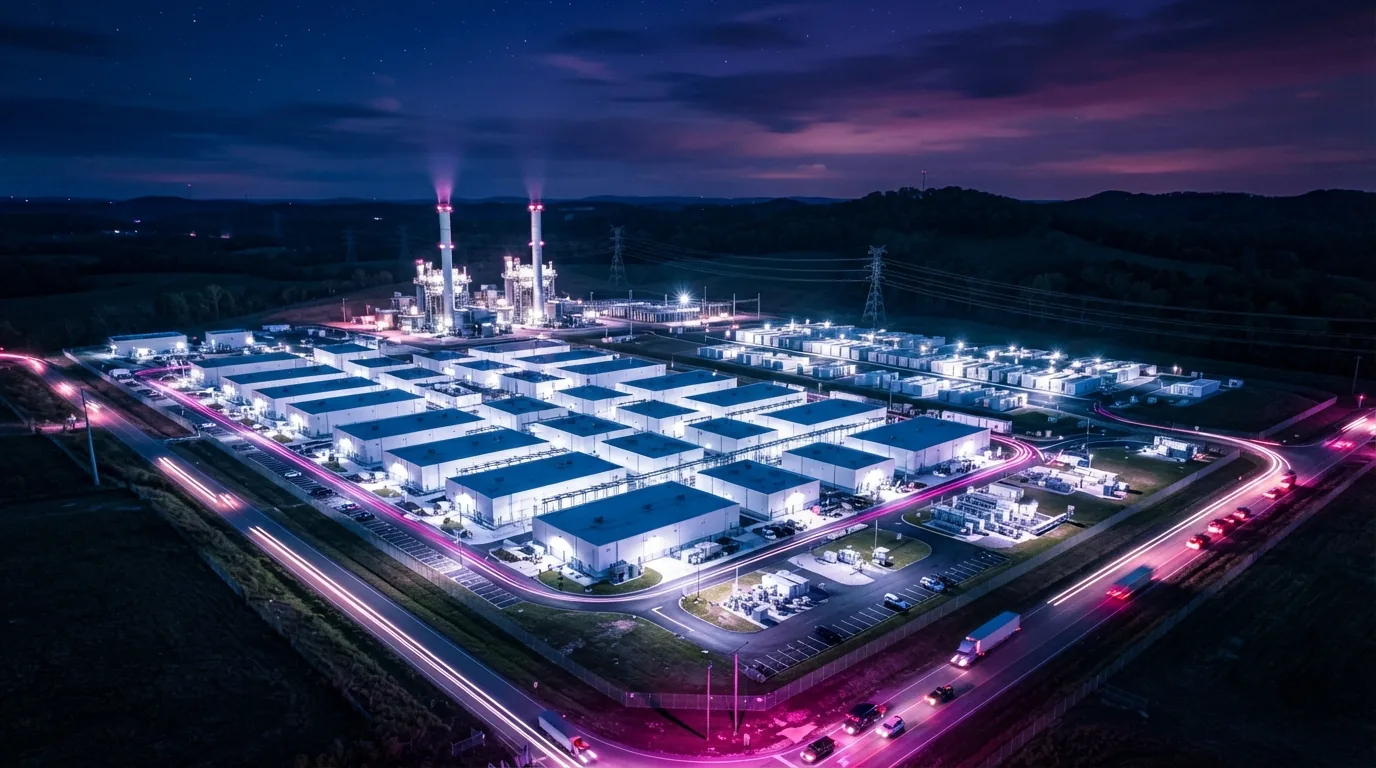
The shift toward BESS as core infrastructure reflects a broader trend in data center development. The US Army, for example, is developing data center campuses on military land with a focus on energy independence and net-zero water consumption, as reported by TechRadar Pro. These projects prioritize community engagement and aim to avoid the backlash often faced by big tech data centers. The Army's approach underscores the growing importance of integrating energy storage and on-site generation into data center planning.
As AI continues to drive unprecedented power demand, BESS is likely to become standard in new data center designs. Operators who adopt these systems early may gain a competitive advantage in securing power capacity and interconnection approvals. The next few years will likely see further innovation in BESS technology and business models, as the industry works to align data center growth with grid reliability and sustainability goals.
Fact check
-
BESS is shifting from an optional financial optimization tool to a core component of data center design.
reported · source
-
AI workloads are dynamic, with GPU clusters ramping up and down quickly, causing power quality issues.
reported · source
-
BESS can help data centers act as flexible energy assets, exporting excess power back to the grid.
reported · source
-
The US Army is developing data center campuses on military land with a focus on energy independence and net-zero water consumption.
reported · source
Source reporting (2)
- Data Center Dynamics · Sponsored: BESS Is becoming the bridge between AI data centers and the grid
- TechRadar Pro · 'Our data centers are not going to be just big buildings that are out in the middle of nowhere that are run by 10 people' — US Army thinks it can win over communities over its data centers without a big tech backlash
0 Comments
No comments yet
Be the first to share your thoughts on this article.