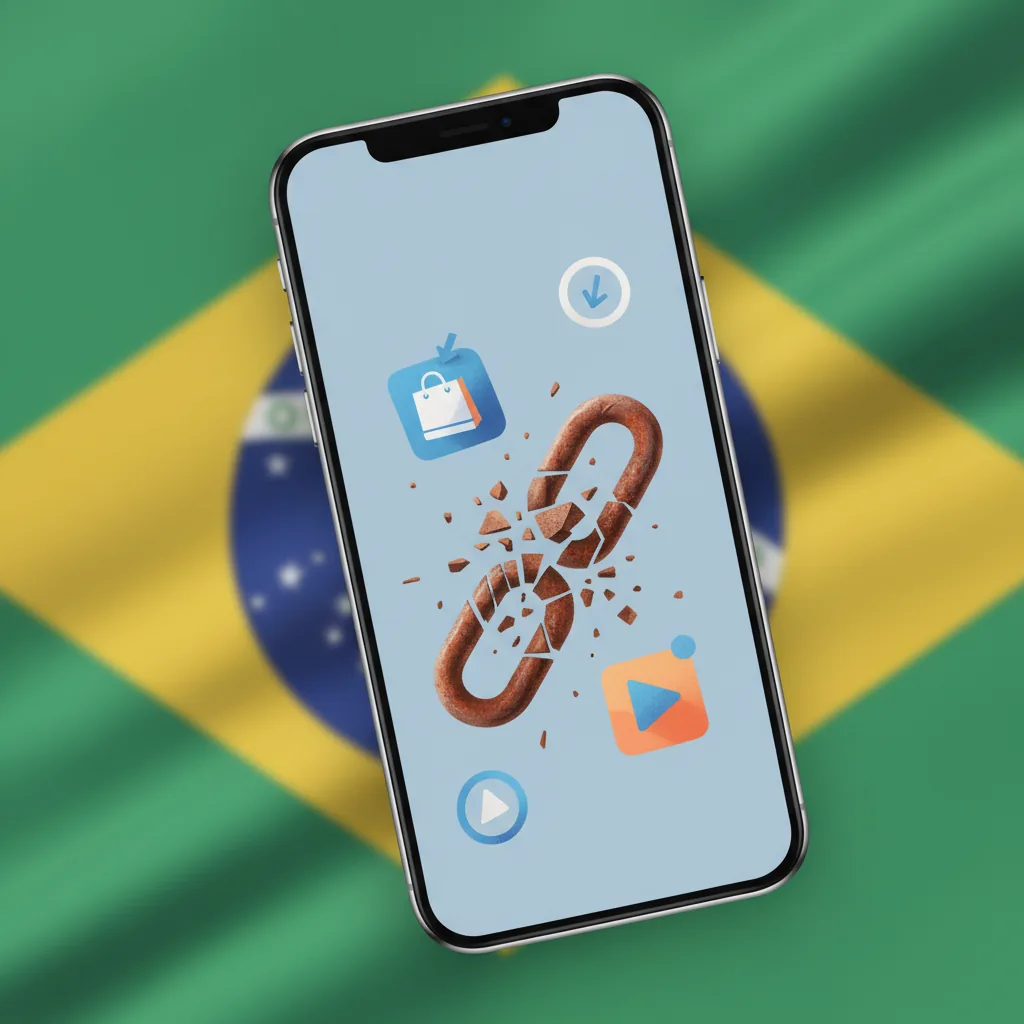
Apple opens iOS to rival app stores in Brazil after CADE settlement
Apple will let iPhone developers in Brazil distribute apps through alternative marketplaces and use third-party payments, following a settlement with regulator CADE. The changes arrive with iOS 26.5.
Apple on Wednesday opened iOS in Brazil to rival app stores and third-party payment systems, complying with a settlement reached with the country’s competition regulator CADE. The changes take effect with iOS 26.5 and apply to all developers distributing in Brazil.
Under the new rules, Apple will collect commissions ranging from 5% on apps distributed through external marketplaces to as much as 26% for App Store transactions that still use Apple’s in-app purchase system. The 5% rate applies when a developer uses an alternative marketplace and does not use Apple’s payment processing at all.
Conditions and fees for alternative stores
Alternative app marketplaces must be authorized by Apple and must meet ongoing requirements that include notarization for all iOS apps distributed through them. For apps still sold via the App Store, developers may include a link to an external website or an alternative payment button inside the app.
- Commissions: 5% for externally distributed apps that bypass Apple entirely; up to 26% for App Store transactions using Apple’s payment system.
- Users under 18 are blocked from using external payment links or alternative marketplaces, a safeguard Apple says it added to reduce privacy and security risks.
- Developers must apply for authorization from Apple; the process includes a notarization step similar to macOS.
- The new rules apply only to iOS in Brazil; Apple has already implemented similar policies in the EU, Japan, and South Korea.
Global regulatory pressure builds
Brazil is the fourth major jurisdiction where Apple has been forced to allow sideloading and alternative payments, following the EU’s Digital Markets Act, Japan’s Smartphone Software Competition Act, and South Korea’s Telecommunications Business Act. Apple has warned that these changes introduce “new privacy and security risks for users, including children” and has designed mitigation measures such as app notarization and age restrictions.
The CADE settlement is not open-ended. Apple and the watchdog will monitor compliance over an agreed period, though the exact duration has not been disclosed. Similar cases are pending in the UK and Australia, where regulators are examining Apple’s control over iOS app distribution. Apple’s commission structure in Brazil mirrors the model it adopted in the EU: a reduced fee for external distribution, but not zero. Developers in Brazil now have the option to bypass the App Store entirely, but they still pay Apple a percentage for the privilege of using its ecosystem under regulator oversight.
Fact check
-
Apple will collect commissions ranging from 5% on externally distributed apps to as much as 26% for some App Store transactions using its payment system.
reported · source
-
The changes take effect with iOS 26.5 and stem from a settlement with Brazil’s competition regulator CADE.
verified · source
-
Apple has already allowed alternative app stores and/or third-party payment systems on iOS in the EU, Japan, and South Korea.
reported · source
Source reporting (3)
Related Articles

Nikita Bier steps down as X head of product after a year, returns to advisory role
Aug 6, 2026

Amazon, Google, Microsoft on track to spend nearly $600B on AI infrastructure in 2026
Aug 4, 2026
OpenAI counters Apple trade secret lawsuit with chat logs showing Apple employees sought help from ex-colleague
Aug 4, 2026
0 Comments
No comments yet
Be the first to share your thoughts on this article.