Aging Grid and AI Demand Collide: Data Center Power Reliability Under Scrutiny After Virginia Near-Miss
A fallen power line in Northern Virginia nearly caused a major data center outage, highlighting the growing tension between AI's insatiable power demand and aging grid infrastructure. Experts call for a power-first mindset.
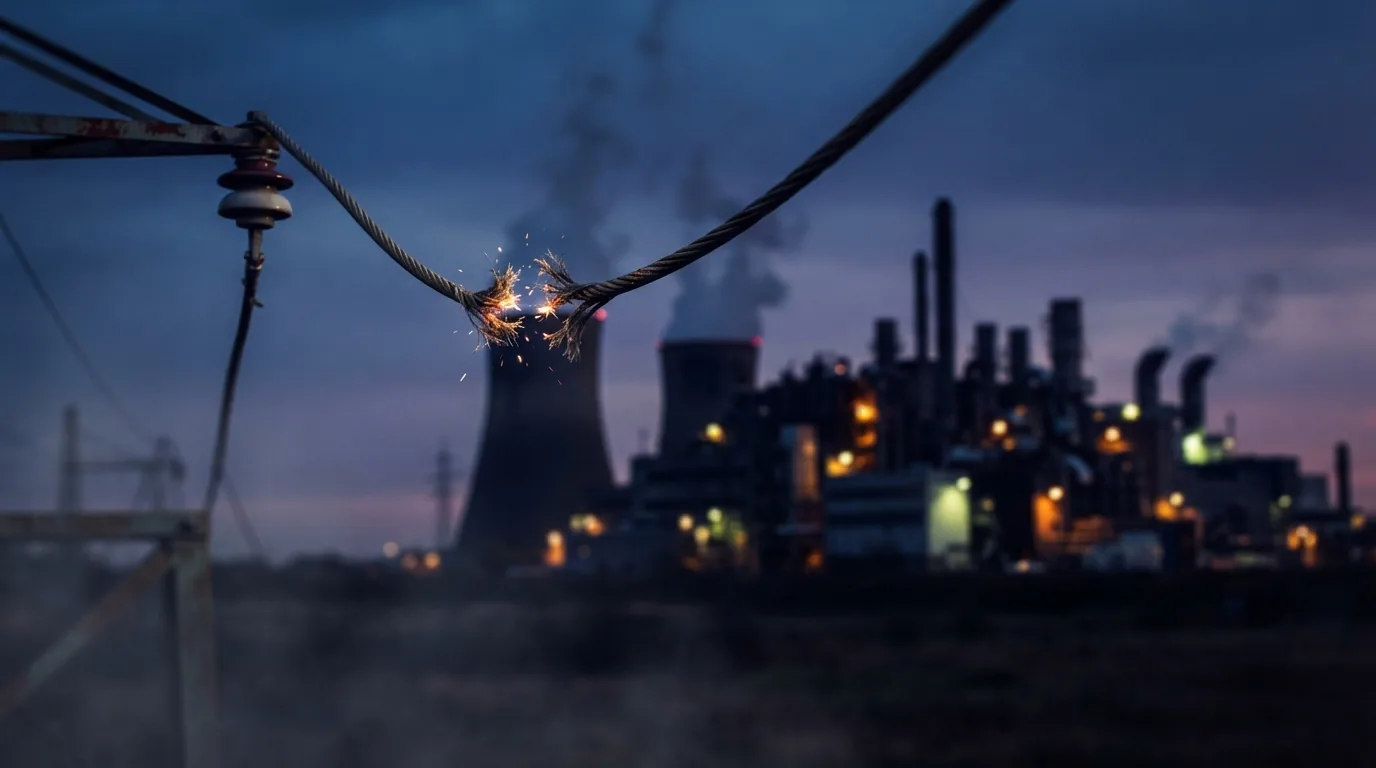
A single fallen power line in Northern Virginia nearly triggered a cascading failure at multiple data centers in July 2026, exposing how the region's aging electrical grid is struggling to keep pace with the explosive power demands of AI workloads. The incident, which occurred in the world's largest data center market, has reignited debate about whether the industry's traditional approach to power resilience is adequate for the AI era.
According to a TechCrunch report, the downed line caused voltage fluctuations that rippled through the grid serving Loudoun County, home to more than 200 data centers. While no major outage occurred, the close call revealed that many facilities lacked the ability to seamlessly transition to backup power during rapid grid disturbances, a scenario that is becoming more common as AI clusters draw 10 to 20 times more power than traditional server racks.
Power-first mindset vs. legacy design
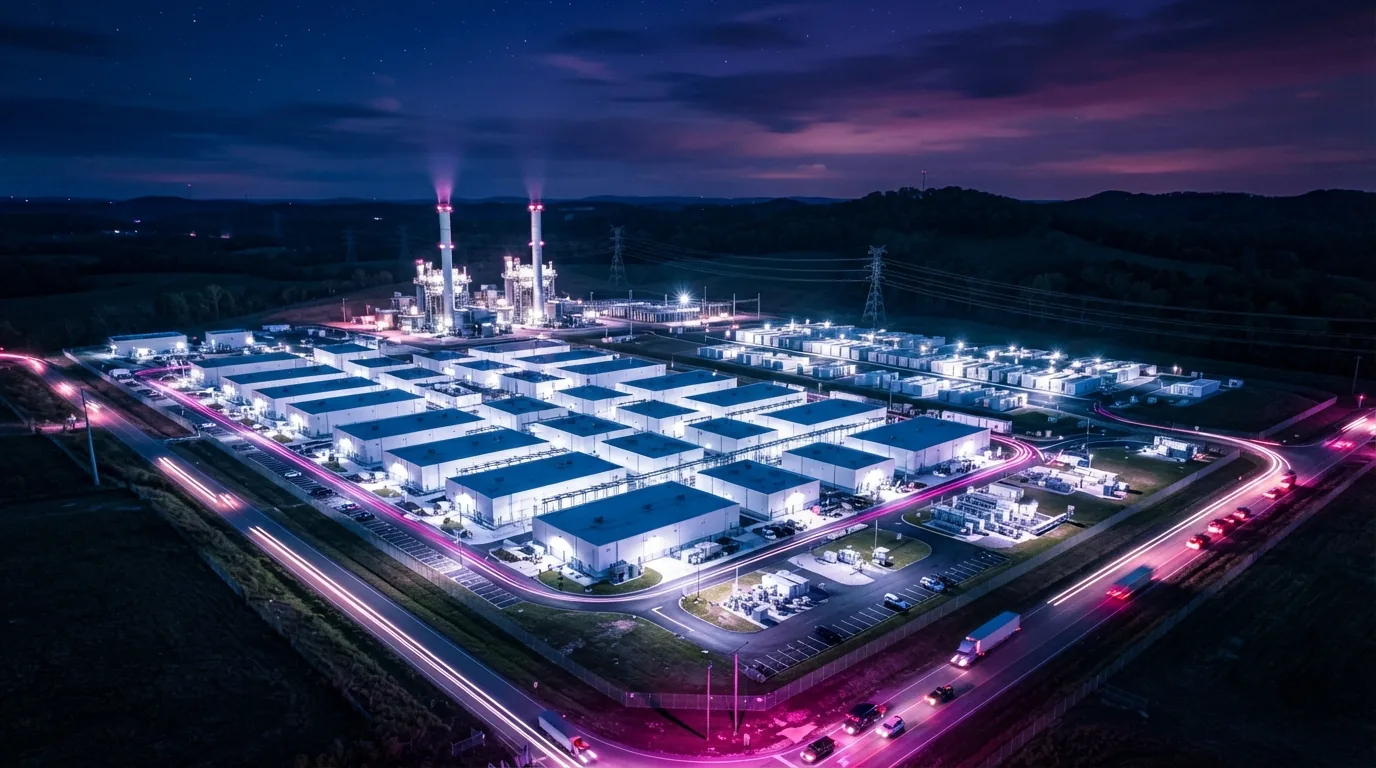
The core problem, as outlined in a Data Center Dynamics opinion piece, is that data centers have historically been designed with a compute-first mindset, treating power as a utility to be managed rather than a fundamental constraint. That approach is no longer viable. AI training clusters can consume 30 to 50 megawatts per facility, and some hyperscale campuses are now planning for 500 megawatts or more. The grid was not built for this.
- Northern Virginia's grid is already at capacity, with Dominion Energy reporting that data center demand could triple by 2030.
- Voltage sags and frequency deviations, once rare, are now weekly occurrences in some substations serving hyperscale campuses.
- Most data centers rely on uninterruptible power supplies and diesel generators, but these systems are designed for full outages, not the rapid, partial disruptions caused by grid instability.
- AI workloads are particularly sensitive to power fluctuations because GPU clusters cannot checkpoint and resume as easily as CPU-based servers.
What comes next for grid resilience
Industry experts are calling for a fundamental shift in how data centers approach power. Instead of treating the grid as a reliable black box, operators must adopt a power-first mindset that includes on-site generation, microgrids, and real-time power quality monitoring. Some hyperscalers are already building their own substations and signing long-term power purchase agreements for dedicated renewable generation, but smaller colocation providers lack the capital to do the same.
The Virginia near-miss is a warning shot. As AI continues to scale, the margin for error shrinks. Without significant investment in both grid infrastructure and on-site power resilience, the next fallen power line may not be a close call. It could be a catastrophe that takes down hundreds of thousands of GPUs and disrupts AI services for millions of users.
Fact check
-
A fallen power line in Northern Virginia in July 2026 caused voltage fluctuations that nearly triggered a cascading failure at multiple data centers.
reported · source
-
AI training clusters can consume 30 to 50 megawatts per facility, with some hyperscale campuses planning for 500 megawatts or more.
reported · source
-
Northern Virginia's data center demand could triple by 2030, according to Dominion Energy.
reported · source
-
Voltage sags and frequency deviations are now weekly occurrences in some substations serving hyperscale campuses.
reported · source
0 Comments
No comments yet
Be the first to share your thoughts on this article.