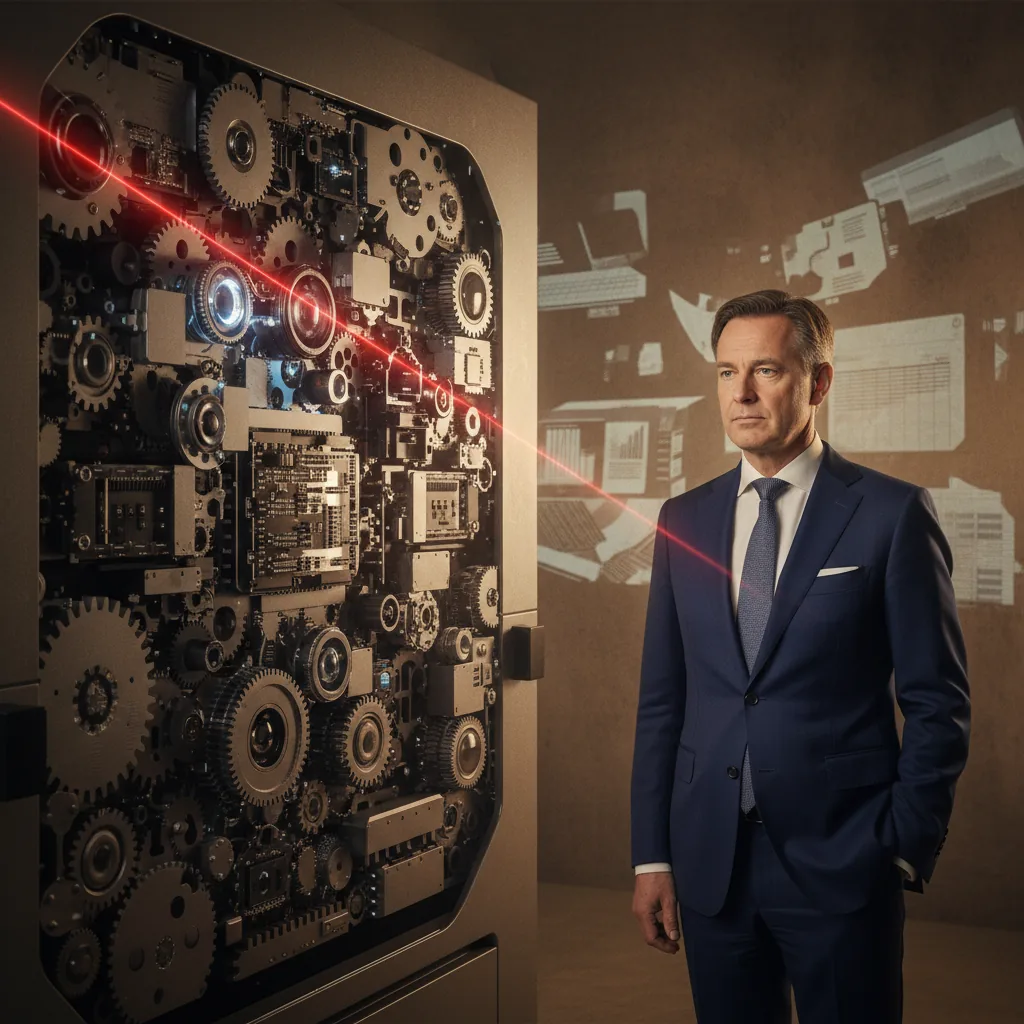
Netherlands Lobbies US to Limit Chip Export Controls on ASML's DUV Machines to China
The Netherlands is lobbying the U.S. to avoid expanding export controls on semiconductor equipment, seeking to protect ASML's ability to sell immersion DUV machines to China amid growing European pushback.
The Netherlands is lobbying the United States not to expand export controls on semiconductor equipment that would restrict ASML Holding NV from selling immersion deep ultraviolet (DUV) lithography machines to China, according to sources familiar with the discussions.
The pushback comes as Washington considers the MATCH Act, a proposed measure that would put older-generation DUV tools off limits for export to China. These machines, first shipped about a decade ago, are the same equipment China currently relies on for advanced chip manufacturing.
European resistance to Washington's chip war
Europe is increasingly pushing back on U.S. efforts to tighten chip equipment export controls. The Netherlands, home to ASML, the world's largest supplier of photolithography systems, is leading the charge. The company's immersion DUV machines are critical for producing semiconductors used in everything from consumer electronics to AI accelerators.
- ASML CEO Christophe Fouquet told TechCrunch in May 2026 that China can currently buy older-generation DUV tools, identical to those the MATCH Act would block.
- ASML already faces restrictions on its most advanced extreme ultraviolet (EUV) machines sold to China, but DUV sales have been a significant revenue source.
- The Netherlands argues that further restrictions harm European industry and could push China to develop its own chip equipment, potentially disrupting global supply chains.
- The lobbying effort involves high-level meetings between Dutch officials and their U.S. counterparts, including the Department of Commerce and National Security Council staff.
- U.S. chip equipment makers like Applied Materials and Lam Research also face exposure if controls expand, creating industry divisions.
Broader implications for chip geopolitics
The Netherlands' resistance underscores growing tensions between the U.S. and European allies over the scope of export controls. While Washington views curbs as essential to slow China's military modernization, European companies fear losing a lucrative market worth billions annually. ASML generated approximately 15% of its 2025 revenue from China, primarily through DUV sales.
If the MATCH Act proceeds, it would mark the first time the U.S. has restricted sales of immersion DUV machines to China since controls began in 2022. The Netherlands argues such a move would severely damage ASML's business and could prompt retaliatory measures from Beijing against European firms. Meanwhile, U.S. officials maintain that China uses these older tools to produce advanced chips for military applications that threaten national security. The outcome of the lobbying effort remains uncertain, with decisions expected in the coming months ahead of the next round of export control reviews.
Fact check
-
The Netherlands is lobbying the US not to expand export controls that would constrain ASML's ability to sell immersion DUV machines to China.
reported · source
-
The MATCH Act would restrict older-generation DUV tools that China currently buys.
reported · source
-
ASML CEO Christophe Fouquet said China can buy older-generation DUV tools, the same machines the MATCH Act would block.
reported · source
-
ASML generated approximately 15% of its 2025 revenue from China.
verified · source


0 Comments
No comments yet
Be the first to share your thoughts on this article.