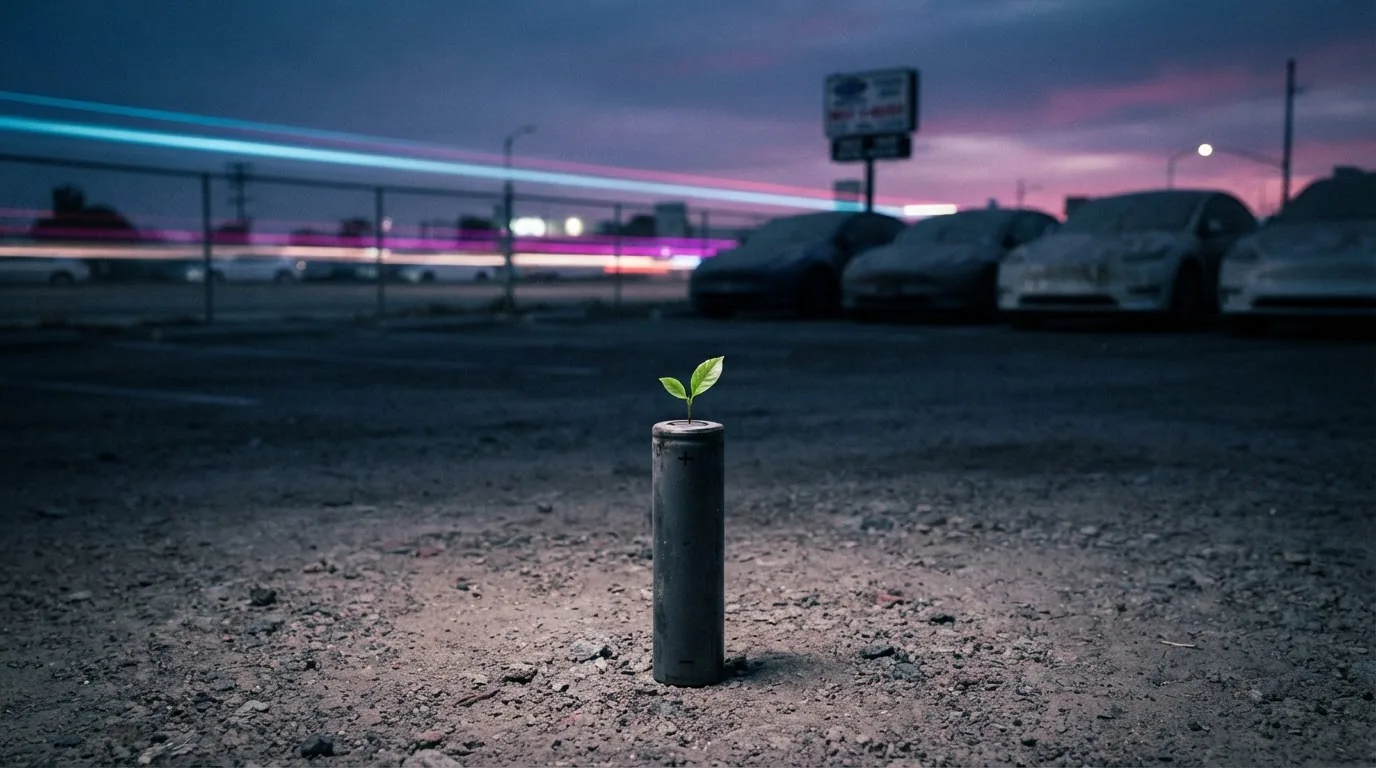
EV Batteries Retain 95% of Range After Five Years, Yet US Sales Slide 28% in June
Modern EV batteries retain 95% of range after five years, with a replacement rate of just 0.3% for models built since 2022. Yet US new EV sales fell 28% in June as the federal tax credit expired and consumer skepticism persists.
Modern electric vehicles retain an average of 95 percent of their original driving range after five years, according to a new analysis by EV data company Recurrent. For a 2026 model with a rated range of 325 miles, that means roughly 309 miles would remain after half a decade of driving.
A separate Recurrent study found that the battery replacement rate for EVs built from 2022 onward is just three in every thousand vehicles. Vehicle data company Geotab, drawing on more than 22,700 vehicles, reached a similar conclusion, finding an average annual degradation rate of just over two percent.
Battery chemistry and thermal management drive durability gains
Viet Nguyen-Tien, an EV researcher at the London School of Economics, told The Wall Street Journal that improvements in battery chemistry, thermal regulation, and battery-management systems have made today's batteries far more durable than those in early-generation models like the Nissan Leaf, which developed a reputation for rapid degradation after its 2010 launch. The data suggests that consumer fears about battery replacement costs are increasingly unfounded.
In a 2026 AAA survey, 56 percent of people who said they were unlikely to buy an EV cited the high cost of repairing or replacing the battery as their top concern. Yet the real-world data tells a different story:
- 97 percent of original range retained after three years
- 95 percent retained after five years
- Battery replacement rate of 0.3 percent for 2022 and newer models
- Average annual degradation rate of just over 2 percent per Geotab
Policy shift and perception gap stall new EV sales
Cox Automotive estimates that Americans bought roughly 75,000 new EVs in June, down nearly 28 percent from a year earlier, giving electric vehicles just over five percent of total new-vehicle sales during the month. A Deloitte survey from earlier this year found that only seven percent of Americans want their next car to be electric.
The sales decline is largely a policy story. The Trump administration allowed the $7,500 federal EV tax credit to expire last September and rolled back emissions regulations, a shift that Ford CEO Jim Farley warned at the time could cut demand for EVs in half. Several automakers have since cancelled or paused EV models in the US market. While Edmunds reported that rising gas prices had started nudging consumer interest upward earlier this year, the shift was not enough to reverse the broader trend.
Used EV sales told a different story, rising more than 20 percent in June compared with the previous year, according to Cox Automotive. The gap between what the technology can do and what consumers believe it can do is now the central obstacle for the American EV market. The batteries work, the replacement rates are negligible, and the used market is growing, but new sales are falling because federal policy removed the price incentive that made EVs competitive with combustion alternatives. Until that changes, the industry is left selling a product that has answered its biggest technical question to a market that either has not heard the answer or no longer has the financial reason to care.
Fact check
-
Modern EVs retain an average of 95 percent of their original range after five years.
verified · source
-
The battery replacement rate for EVs built from 2022 onward is three in every thousand vehicles.
reported · source
-
US new EV sales fell nearly 28 percent in June 2026 compared to a year earlier.
reported · source
-
56 percent of people unlikely to buy an EV cited battery replacement cost as their top concern in a 2026 AAA survey.
reported · source
-
The $7,500 federal EV tax credit expired in September 2025.
reported · source



0 Comments
No comments yet
Be the first to share your thoughts on this article.