AMD Zen 6 to mix five Zen generations in a single low-power core, leak shows
AMD's Zen 6 processors will use a hybrid low-power core built from components of Zen 2 through Zen 6, according to Linux patches and leaker analysis. The design aims to improve efficiency in mobile devices.
AMD's upcoming Zen 6 processors will include a new low-power core assembled from components spanning five different Zen generations, according to recent Linux kernel patches and analysis from hardware leaker InstLatX64. The hybrid design targets battery efficiency in laptops and handhelds.
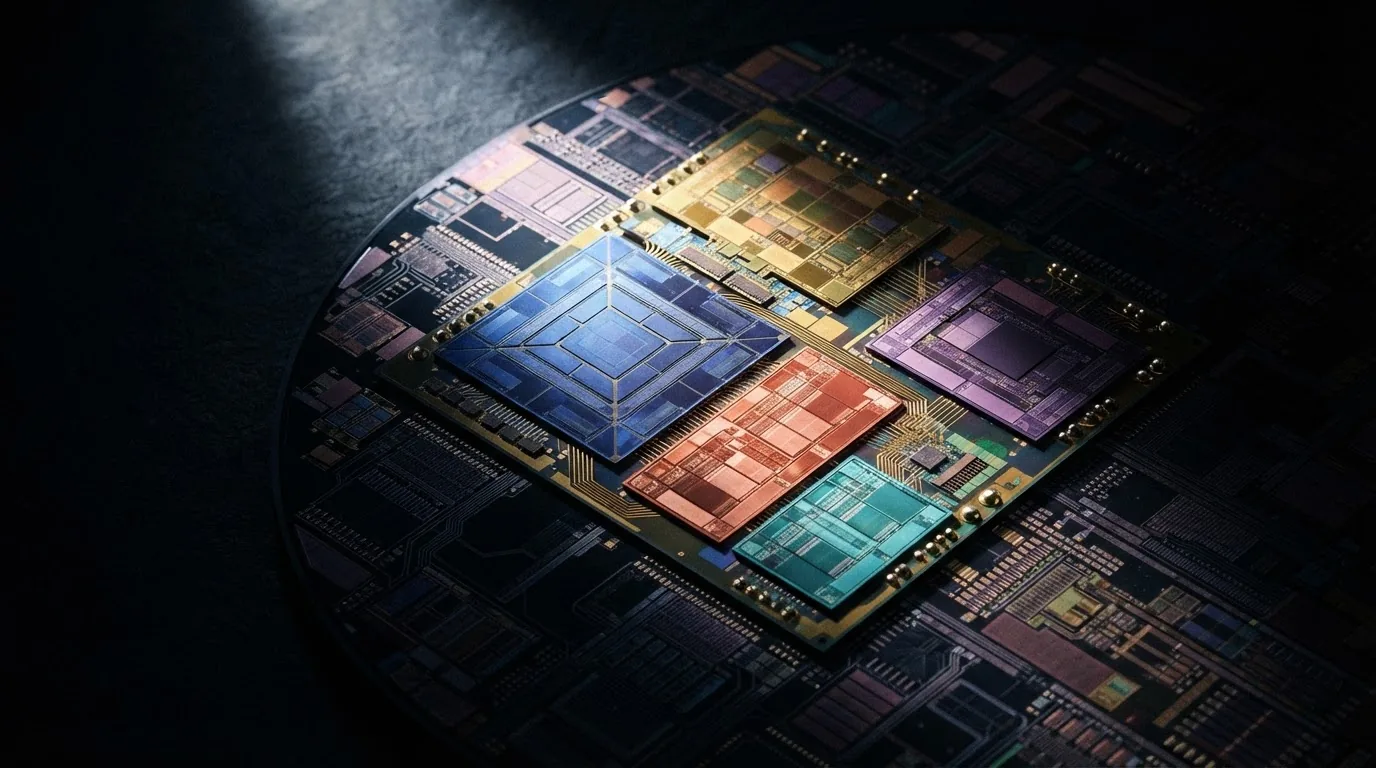
The low-power core combines a Zen 6 instruction set, a Zen 5 microarchitecture, a Zen 4 floating-point unit, a Zen 3 L2 cache, and a Zen 2 L3 cache, as detailed by InstLatX64. The mix-and-match approach allows AMD to reuse proven building blocks instead of designing a core from scratch, reducing development complexity while aiming for higher efficiency.
Three-tier core architecture for granular power control
The new core sits below AMD's existing Performance and Efficiency cores, creating a three-tier setup. Performance cores handle high-clock workloads, Efficiency cores offer a balance of speed and power, and the new low-power cores target very light tasks like background processes or idle web browsing.
- Performance cores: for gaming and compute-heavy workloads
- Efficiency cores: for everyday multitasking at moderate power
- Low-power cores: for idle or near-idle tasks, potentially running at just a few watts
The Linux kernel patch notes that the system needs a way to properly identify these low-power cores, which currently show up as "unknown" in the CPU topology. Proper software scheduling is critical to directing lightweight tasks to the right core type, and AMD is working with kernel developers to ensure the cores use the correct performance scaling method.
Per-core optimizations and market outlook
Separate reports from Tom's Hardware suggest Zen 6 may also introduce per-core thermal and power optimizations that could reduce microstutters and improve 1% low frame rates in games. The optimizations are said to fine-tune each core's power budget independently, smoothing out performance dips.
Desktop versions of Zen 6 are expected later in 2026, following the rollout of server chips. However, broader PC market headwinds could dampen adoption. PC shipments have been trending downward, and rising memory prices driven in part by AI demand are pushing up system costs. For laptops and handhelds, where upgrading the CPU means replacing the entire device, improved battery life alone may not be enough to spur upgrades if buyers hold off on new hardware. AMD has not yet released official performance or efficiency numbers for the new low-power cores, and the effectiveness of the hybrid architecture will depend heavily on software support.
Fact check
-
AMD's Zen 6 low-power core combines components from Zen 2, Zen 3, Zen 4, Zen 5, and Zen 6.
reported · source
-
Zen 6 will feature per-core thermal and power optimizations that improve microstutters and 1% low frame rates in games.
reported · source
-
Desktop versions of Zen 6 are expected later in 2026.
reported · source



0 Comments
No comments yet
Be the first to share your thoughts on this article.