AI infrastructure cost and energy constraints ripple through markets, from compute deals to consumer hardware
A new interactive knowledge graph maps 393 nodes of physical economy stress as SpaceX, CoreWeave, and Valve reveal the widening impact of AI's resource hunger.
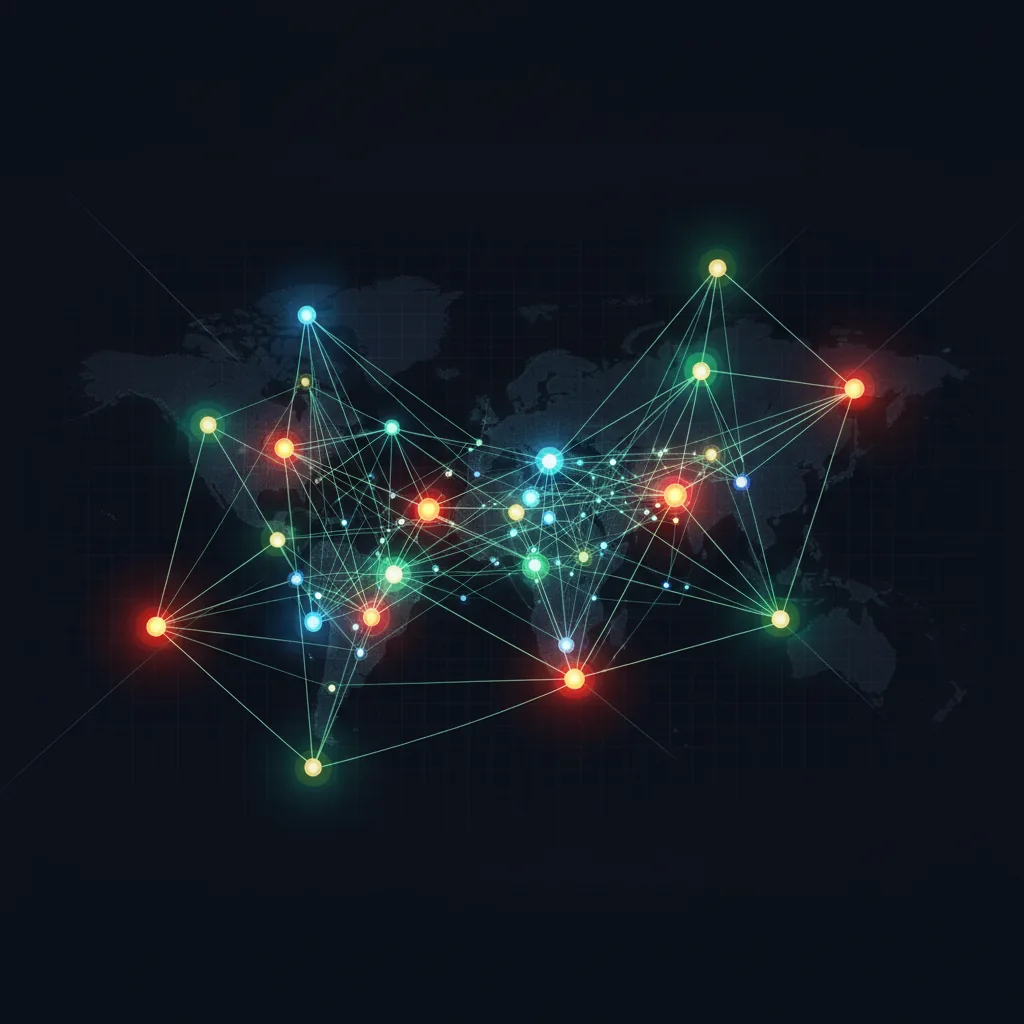
A new interactive knowledge graph called The Cascade Graph maps 393 nodes and 562 edges tracing how energy and physical resource constraints cascade through the AI buildout. The tool, published by independent researcher AtomProphet, visualizes drivers, chokepoints, geographies, and investable tickers in a single directed graph.
The graph identifies 34 root drivers, 88 chokepoints, 10 geographies, 5 jurisdictions, 4 substitutes, and 252 tickers, all connected by sourced mechanism edges and 17 feedback loops. Every link is graded as measured, established, or reasoned, and each ticker node carries vetted instruments with liquidity tiers.
Mapping the Constraints
The Cascade Graph is built on the thesis that economics is downstream of physics. Stress flows from root drivers through jurisdictions and geographies that gate it, into chokepoints where it concentrates, and finally to tickers where value accrues. The graph includes worked branches such as the copper chokepoint, nuclear inevitability, and the northern pivot, each tracing a cascade end to end.
Separately, the AI affordability crisis is becoming visible in real-world deals. SpaceX has signed a $6.3 billion compute deal with Reflection AI, a two-year-old open-source startup. Under the agreement, Reflection AI will pay SpaceX $150 million per month for Nvidia chips at the Colossus 2 facility through 2029. The deal puts Nvidia on both sides of the trade, as SpaceX also uses Nvidia hardware.
- SpaceX Reflection AI deal: $6.3 billion total, $150 million monthly through 2029.
- Backblaze receives $335 million from CoreWeave for cloud storage services.
- Valve opens Steam Machine pre-orders with a queue lottery and higher prices due to AI-driven component shortages.
- The Cascade Graph includes 252 ticker nodes with real liquidity tiers and honest risk reads.
Ripple Effects Across Industries
The AI compute squeeze is not limited to hyperscalers. Backblaze, a cloud storage provider, has secured a $335 million deal with CoreWeave, indicating that AI infrastructure demand is pulling in secondary providers. Meanwhile, Valve's Steam Machine pre-orders launched with a queue lottery system and hefty prices, which The Register attributes to the AI squeeze on GPU and component availability. Valve also released SteamOS 3.8 for AMD-powered hardware as an alternative.
These developments underscore a broader trend: AI's insatiable demand for compute and energy is reshaping markets from data centers to consumer electronics. The Cascade Graph aims to help investors and analysts trace these stress cascades, but its creator warns it is not investment advice. As the AI buildout accelerates, the physical constraints mapped in the graph will likely become more pronounced, affecting everything from copper prices to nuclear power investments.
Fact check
-
The Cascade Graph contains 393 nodes and 562 edges.
verified · source
-
SpaceX signed a $6.3 billion compute deal with Reflection AI, with $150 million monthly payments through 2029.
reported · source
-
Backblaze received $335 million from CoreWeave.
reported · source
-
Valve opened Steam Machine pre-orders with a queue lottery and higher prices due to the AI squeeze.
reported · source
Source reporting (5)
- Hacker News Front Page · Show HN: The Cascade Graph – An interactive map of AI and energy constraints
- Hacker News Front Page · AI's Affordability Crisis
- The Next Web · SpaceX lands $6.3bn compute deal with Reflection AI
- Blocks and Files · Backblaze gets $335 million CoreWeave bonanza
- The Register · Valve opens Steam Machine pre-orders with queue lottery and hefty prices amid AI squeeze


0 Comments
No comments yet
Be the first to share your thoughts on this article.